
Intro to Politics
Learn how political systems shape leadership, citizen rights, and governance worldwide.
Introduction to Politics: Power, People, and the Public Good
What Is Politics?
Politics is more than elections and speeches. It’s the system through which groups make decisions, resolve conflicts, and shape their future. At its core, politics is about power: who has it, how it is used, and for what purpose. It involves the distribution of resources, the debate over values, and the rules that govern society. Whether it’s a village council meeting or a global summit, politics is present wherever people come together to decide what matters.
Why Politics Matters
Politics shapes the world we live in. It decides who gets healthcare, who pays taxes, how schools are funded, what rights people have, and how nations relate to each other. Understanding politics helps citizens:
- Make informed choices in elections
- Advocate for change in their communities
- Hold leaders accountable
- Analyze global events like wars, treaties, or climate summits
In schools, politics connects to history, geography, economics, and ethics, making it one of the most interdisciplinary and practical subjects.
Key Concepts in Politics
- Power: The ability to influence or control the behavior of people or institutions. Power can be visible (laws, police) or invisible (media influence, cultural norms).
- Authority: The right to use power, often given through laws, traditions, or consent.
- Legitimacy: When a government is accepted as rightful and fair by its people.
- Sovereignty: A state’s independence to make laws and policies within its own territory.
- Ideology: A system of beliefs about how society should work (e.g., liberalism, conservatism, socialism, nationalism).
How Politics Works
1. Political Systems
Governments organize political power in different ways:
- Democracy: Citizens have the power to elect leaders and influence laws (e.g., USA, India).
- Authoritarianism: Power is held by a small group or one leader with limited public input (e.g., North Korea, China).
- Monarchy: Power is held by a royal family; it can be symbolic (UK) or absolute (Saudi Arabia).
- Theocracy, Military Rule, or Hybrid Systems: Other forms that mix religion, force, or elections with centralized control.
Each system influences how citizens experience rights, freedoms, and participation.
2. Political Institutions
Politics depends on institutions that shape rules and decisions:
- Executive (President, Prime Minister): Enforces laws
- Legislative (Parliament, Congress): Makes laws
- Judicial (Courts): Interprets laws and ensures justice
- Bureaucracy: Civil servants and agencies that implement policy
These structures vary by country but aim to balance power and provide services.
The Role of Political Parties
Political parties bring people together around shared ideas. They organize campaigns, select candidates, and try to win elections. Examples:
- Democratic Party / Republican Party (USA)
- Labour / Conservative (UK)
- BJP / Congress (India)
Parties influence laws, budgets, foreign policy, and social debates. Some countries have many parties (multiparty systems), while others are dominated by one or two.
Political Ideologies
Understanding ideologies helps explain why people disagree on policy:
- Liberalism: Individual rights, equality, and reform
- Conservatism: Tradition, order, and limited government
- Socialism: Economic equality and state ownership
- Nationalism: Pride in one’s nation, sometimes to exclusion of others
- Environmentalism: Prioritizing ecological sustainability
- Populism: Power to the “ordinary people” versus elites
Ideologies shape everything from tax policies to immigration laws.
Global Politics
International relations are a vital part of politics:
- Diplomacy: Negotiation between states (e.g., peace talks, trade deals)
- Conflict: Wars, sanctions, and rivalries (e.g., Ukraine-Russia, Taiwan-China)
- Alliances: NATO, ASEAN, African Union
- Global Challenges: Climate change, pandemics, migration, terrorism
Institutions like the United Nations, World Trade Organization, and International Criminal Court play key roles in maintaining global order.
Citizenship and Civic Participation
In democracies, citizens can shape politics by:
- Voting in elections
- Protesting or petitioning
- Joining NGOs or community groups
- Contacting representatives
- Staying informed
Civic participation helps keep governments transparent and accountable.
Youth and Politics
Young people play a rising role in politics, for example in mobilizing around climate change, education, gender rights, and digital freedoms. Platforms like social media, youth parliaments, and student groups give youth new ways to engage.
Conclusion: Politics is Everyone’s Business
Politics may seem distant or complex, but it affects our lives every day. Whether deciding what subjects we learn, how much we pay in taxes, or whether we go to war, politics is the engine behind collective decision-making. By understanding how politics works, we can better shape our futures, defend our rights, and contribute to a more just society.
References
https://www.britannica.com/topic/politics
https://www.un.org/en/global-issues
https://www.idea.int/publications/catalogue/what-democracy
https://www.oecd.org/governance/
https://www.usa.gov/branches-of-government
https://www.cfr.org/backgrounder/globalization-what-it-and-why-it-matters
How Politics Applies to Your Life: Everyday Power and Personal Impact
How Politics Applies to Your Life: Everyday Power and Personal Impact
Introduction
Politics may seem distant, or something that happens in parliaments, behind closed doors, or on the news. But politics is actually all around us, influencing the schools we attend, the jobs we find, the air we breathe, and even the freedom to express ourselves. Whether you’re a student, a worker, a parent, or simply a citizen, politics directly shapes the decisions, rights, and opportunities in your life. Understanding how politics applies to everyday life helps you make better choices, demand accountability, and become an active part of your community and the world.

1. Education and Curriculum
From the subjects taught in school to the language of instruction and funding of public education, politics determines how and what you learn.
- A government decides how much to invest in schools, teachers, and technology.
- Political debates shape curriculum content, whether climate change, history of colonization, or sex education is included.
- Policies influence university admissions, scholarships, and even exam formats.
Why it matters: Students benefit when they understand who makes these decisions and how to advocate for fairer systems.
2. Jobs and the Economy
Your job opportunities, income, and workplace rights are closely linked to political decisions.
- Minimum wage laws, tax policies, and investment strategies affect salaries.
- Governments regulate unions, working hours, paid leave, and job safety.
- Political stability attracts foreign investment and creates industries.
During crises like COVID-19, political responses (stimulus packages, unemployment insurance) decide how workers survive financially.
Why it matters: Understanding economic policy helps you protect your rights and plan your future.
3. Healthcare and Public Services
Politics affects whether you can access affordable and quality healthcare, clean water, transport, and electricity.
- Politicians set budgets for hospitals, clinics, vaccines, and mental health services.
- Local leaders plan infrastructure like roads, public buses, and garbage collection.
- Laws regulate medicine prices and doctor qualifications.
Why it matters: Public health outcomes improve when citizens demand better policies, and when healthcare is prioritized in elections.
4. Laws, Rights, and Freedoms
The laws you live under are created and enforced by political systems.
- Freedom of speech, freedom of religion, and freedom of the press exist or vanish based on political will.
- Laws define the age of consent, right to protest, internet freedom, and privacy rights.
- Constitutions outline citizenship, voting rights, and equality before the law.
Why it matters: Knowing your legal rights allows you to protect yourself and others, and hold leaders accountable.
5. Gender Equality and Social Inclusion
Political systems can fight or reinforce social discrimination.
- Gender-based violence laws, maternity leave, and women’s political representation depend on political action.
- Marginalized groups (ethnic minorities, LGBTQ+ people, persons with disabilities) gain protections only when governments pass inclusive laws.
- Anti-discrimination policies affect schools, workplaces, housing, and media.
Why it matters: Politics is a tool to promote fairness, representation, and safety for everyone.
6. Climate, Environment, and Your Future
Climate change is one of the most political and personal issues today.
- Governments decide whether to support fossil fuels or invest in clean energy.
- International agreements (like the Paris Agreement) shape local air, water, and disaster response.
- Environmental laws protect forests, oceans, and urban air quality.
Why it matters: The future of the planet and your health depends on whether climate-friendly policies are enacted.
7. Technology and Digital Rights
Every click, post, and search is influenced by politics.
- Laws decide who owns your data, what platforms can censor, and what content is legal online.
- Politicians regulate social media, internet access, and cybersecurity.
In countries where digital surveillance or censorship is common, politics controls what you can learn, say, or share.
Why it matters: Your digital freedom is political, and worth protecting.
8. Safety, Conflict, and Peace
From national defense to local police, politics controls the systems meant to keep you safe.
- Decisions about war, military spending, and peace treaties are political.
- Police reform, gun laws, and crime policies affect neighborhood safety.
- Refugee resettlement and asylum laws are decided in parliaments.
Why it matters: The way societies balance justice and security depends on political will and citizen oversight.
9. Taxes and Prices
Every time you buy food, fuel, or a phone, politics is involved.
- Governments set sales taxes, subsidies, and price ceilings.
- Inflation control, central banks, and foreign exchange policies are political decisions.
- Food security programs and tax relief depend on leadership priorities.
Why it matters: Economic justice and access to basic needs depend on fair financial policies.
10. Youth and Future Generations
Young people often feel disconnected from politics, but they are the most affected by long-term decisions.
- Decisions made today about education, climate, jobs, and debt will shape their futures.
- Youth are also vulnerable to being excluded from power.
However, more young people are participating in politics through protests, voting, activism, and political innovation.
Why it matters: The earlier you understand politics, the more empowered you are to shape your future.
Conclusion: Politics Is Personal
Politics isn’t just theory or headlines. It lives in your schoolbooks, your wallet, your hospital visits, your commute, and your Wi-Fi signal. It affects what you learn, where you work, how safe you feel, and what kind of world you inherit. The best way to make politics work for you is to understand it, engage with it, and never ignore it. Whether through voting, protesting, or simply staying informed, your voice matters!
References
https://www.ilo.org/global/about-the-ilo/how-the-ilo-works/lang–en/index.htm
https://www.usa.gov/benefits
https://www.who.int/health-topics/health-policy
https://www.pewresearch.org/fact-tank/
https://www.unwomen.org/en/what-we-do/leadership-and-political-participation
https://freedomhouse.org/report-types/freedom-world
Types of Government: Systems of Power and Real-World Examples
Introduction
Government is the structure through which societies organize authority, create laws, and manage public affairs. But not all governments are built the same. Across the world, countries adopt different systems based on history, culture, philosophy, and power dynamics. Understanding the types of government and seeing real examples helps us grasp how power is distributed, how leaders are chosen, and how citizens participate in decision-making. This article explores major government types, how they function, and where they exist today.

1. Democracy: Power by the People
What it is: Democracy is a system where citizens hold power, either directly or through elected representatives. It emphasizes free elections, majority rule, and the protection of individual rights.
Types of democracy:
- Direct democracy: Citizens vote on laws themselves (e.g., Switzerland’s referendums).
- Representative democracy: Citizens elect officials to make decisions on their behalf (e.g., the United States, India).
Real Examples:
- United States: A federal republic with elected executive (President), legislature (Congress), and independent judiciary.
- India: The world’s largest democracy, with a parliamentary system and strong electoral participation.
- Germany: A parliamentary democracy with a chancellor as head of government.
Challenges: Misinformation, voter apathy, political polarization, and influence of money in politics.
2. Republic: Rule of Law and Elected Leadership
What it is: A republic is a form of government where the head of state is not a monarch, and leaders are elected by citizens. All modern republics are either democratic or authoritarian in nature.
Key Feature: Emphasis on the rule of law and accountability of public officials.
Real Examples:
- France: A semi-presidential republic where both president and parliament have powers.
- South Korea: A democratic republic with an elected president and national assembly.
- Brazil: A federal republic with a presidential system and local autonomy.
3. Monarchy: Rule by a King, Queen, or Emperor
What it is: A monarchy is a system ruled by a royal family. Power may be symbolic or absolute, depending on the country.
Types of monarchy:
- Constitutional monarchy: Monarch’s role is mostly ceremonial (e.g., UK, Sweden, Japan).
- Absolute monarchy: Monarch has full executive, legislative, and judicial power (e.g., Saudi Arabia, Brunei).
Real Examples:
- United Kingdom: Queen/King is head of state; real power lies with Parliament and the Prime Minister.
- Saudi Arabia: The king holds extensive powers, including control over law, religion, and defense.
- Thailand: A constitutional monarchy with a powerful monarchy and elected parliament.
Modern trends: Most monarchies today are constitutional and exist alongside democratic institutions.
4. Authoritarianism: Centralized Control
What it is: An authoritarian government concentrates power in one leader or a small group. Political opposition, freedom of speech, and civil liberties are often restricted.
Common traits:
- Limited political pluralism
- State-controlled media
- Power maintained by force or propaganda
Real Examples:
- China: A one-party communist state; the Communist Party controls all levels of government.
- North Korea: A dynastic dictatorship with extreme control over its population.
- Russia: While it holds elections, critics argue it functions as an authoritarian regime under Vladimir Putin.
Tools used: Surveillance, censorship, personality cults, and controlled elections.
5. Totalitarianism: Total Control Over Life
What it is: The most extreme form of authoritarianism, totalitarian regimes seek to control every aspect of public and private life, often through ideology, fear, and propaganda.
Historical Examples:
- Nazi Germany (1933–1945): Ruled by Adolf Hitler and the Nazi Party, it was a fascist totalitarian state.
- Stalinist Soviet Union: Combined centralized planning with suppression of dissent, mass surveillance, and purges.
- Cambodia under the Khmer Rouge: Led by Pol Pot, the regime abolished money, religion, and cities in a radical social experiment.
Today: No modern state is fully totalitarian, but elements persist in highly repressive regimes like North Korea.
6. Theocracy: Rule by Religious Authority
What it is: In a theocracy, religious leaders or laws derived from religion guide governance. Religious texts may serve as legal foundations.
Real Examples:
- Iran: A theocratic republic where the Supreme Leader (a cleric) holds ultimate power, above the president and parliament.
- Vatican City: The Pope serves as both religious and political head of the world’s smallest state.
- Afghanistan under the Taliban: Implements Islamic law with little political opposition or civil freedom.
Debates: Theocracies raise questions about human rights, gender equality, and freedom of religion.
7. Military Regimes: Rule by the Armed Forces
What it is: A government where military officials seize or maintain control, often after a coup. Civilian leadership is replaced with generals or juntas.
Real Examples:
- Egypt (2013–present): After overthrowing the elected president, military-backed leadership controls the country.
- Thailand (2006, 2014 coups): Military played a recurring role in reshaping the political landscape.
Features: Suspension of constitutions, martial law, political repression.
8. Federal vs. Unitary Systems
These describe how power is distributed, not who holds it.
- Federal system: Power is shared between a central government and regional governments (e.g., USA, India, Germany).
- Unitary system: Central government holds the majority of power; local authorities follow its policies (e.g., France, Japan, UK).
Why it matters: Federalism allows diverse regions to govern locally, while unitary systems are often more efficient in passing national laws.
9. Hybrid Regimes: A Mix of Elements
Some countries don’t fit cleanly into one category. Hybrid regimes combine democratic structures with authoritarian practices.
Examples:
- Turkey: Holds elections but restricts media and opposition.
- Hungary: Formally democratic but increasingly centralized and illiberal.
- Singapore: Democratically elected, but with strong government control over media and limited opposition space.
Hybrid systems blur the line between freedom and control.
Conclusion: Understanding Power Shapes Our World
From absolute monarchies to vibrant democracies, the type of government determines how citizens live, how decisions are made, and how societies evolve. Each system has strengths and flaws, shaped by culture, history, and the values of its people.
In school studies, learning about government types fosters civic literacy, global awareness, and informed participation. It helps students understand their own rights, compare systems, and analyze world events through a political lens.
References
https://www.idea.int/data-tools
https://www.cfr.org/backgrounder/democracy-versus-authoritarianism
https://freedomhouse.org/report-types/freedom-world
https://www.britannica.com/topic/republic-government
https://www.brookings.edu/articles/the-future-of-hybrid-regimes
https://constitutioncenter.org/interactive-constitution
https://www.oecd.org/gov/gov-at-a-glance-2023-highlights.htm
How Political Ideologies Work: Understanding Liberalism, Socialism, Populism, and More
Introduction
Political ideologies are systems of belief that explain how societies should be governed, what values matter most, and who should hold power. They shape constitutions, elections, laws, and even everyday debates about taxes, education, or freedom. From liberalism to socialism, populism to conservatism, ideologies act like blueprints for politics. Although they may seem abstract, they influence real policies and the way people see justice, equality, and progress. In this article, we’ll explore how some of the world’s major political ideologies work and where they show up in real life.
What Is a Political Ideology?
A political ideology is a set of ideas and principles that guides political thinking and action. It often includes:
- A view of human nature (e.g., selfish vs. cooperative)
- A vision for society (e.g., individual liberty vs. collective equality)
- A plan for how power and resources should be distributed
Political parties, movements, leaders, and even voters align with ideologies, whether clearly or subconsciously. Knowing how they work helps us better understand public debates, government decisions, and global trends.
1. Liberalism: Freedom and Individual Rights
Core beliefs:
- Emphasis on individual liberty, free speech, and rule of law
- Belief in limited government and free markets
- Support for democracy, civil rights, and gradual reform
Modern application:
- In economics: Support for capitalism with regulation
- In society: Support for gender equality, LGBTQ+ rights, immigration
- In government: Institutions like courts, elections, and checks on power
Examples:
- Center-left parties in Europe (e.g., UK’s Liberal Democrats)
- U.S. Democratic Party (progressive wing)
- Classical liberal thinkers: John Locke, Adam Smith, John Stuart Mill
Criticism:
- Sometimes accused of favoring elites or corporate interests
- Can overlook structural inequalities
2. Conservatism: Tradition, Stability, and Order
Core beliefs:
- Focus on preserving traditions, national identity, and social order
- Belief in limited government intervention except for defense or morals
- Skepticism toward rapid social change
Modern application:
- Strong support for national security, law and order, and family values
- In economics: Favors free-market capitalism and tax cuts
- In culture: May oppose abortion rights, drug legalization, or immigration
Examples:
- Republican Party (U.S.), Conservative Party (UK), Likud (Israel)
- Key thinkers: Edmund Burke, Roger Scruton
Criticism:
- Sometimes seen as resistant to progress or inclusive policies
- Accused of defending the status quo at the expense of minorities
3. Socialism: Equality and Collective Good
Core beliefs:
- Emphasis on economic and social equality
- Belief in public ownership or strong regulation of key industries
- Support for universal welfare systems: healthcare, education, housing
Modern application:
- Progressive taxation, union support, state-funded public services
- In some cases: calls for democratic socialism or “green socialism”
Examples:
- Nordic countries (e.g., Sweden, Norway): combine capitalism with strong welfare states
- Democratic Socialists of America (DSA), Spain’s Podemos, UK’s Labour (left wing)
- Key thinkers: Karl Marx, Rosa Luxemburg, Bernie Sanders
Criticism:
- Opponents claim socialism reduces efficiency or discourages innovation
- In authoritarian forms (e.g., USSR), it led to repression and stagnation
4. Populism: People vs. the Elites
Core beliefs:
- Belief that society is divided between the pure people and corrupt elites
- Calls for direct political action, outsider leadership, or referenda
- Can be left-wing (anti-corporate) or right-wing (anti-immigrant)
Modern application:
- Charismatic leaders who claim to speak for “the people”
- Rejection of established parties, media, or institutions
- Can lead to nationalism, protectionism, or anti-globalization
Examples:
- Donald Trump (USA), Jair Bolsonaro (Brazil), Marine Le Pen (France)
- Left-populists: Evo Morales (Bolivia), Jean-Luc Mélenchon (France)
Criticism:
- Often oversimplifies complex issues
- Can erode democratic checks and foster authoritarianism
5. Nationalism: Pride and Sovereignty
Core beliefs:
- Nation should come first: shared language, culture, identity
- Emphasis on sovereignty, strong borders, and independence
- Sometimes includes military strength, historical pride, or ethnic unity
Modern application:
- Trade protection, immigration limits, national history celebrations
- Tension with international law or global institutions
Examples:
- Narendra Modi (India), Viktor Orbán (Hungary), Brexit campaign (UK)
- Used in state-building, but also in authoritarian or colonial agendas
Criticism:
- Can lead to xenophobia, isolationism, or minority repression
6. Environmentalism: Sustainability and Ecological Justice
Core beliefs:
- Climate change is urgent; human survival depends on ecosystems
- Support for green technology, renewables, conservation
- Often intersects with feminism, Indigenous rights, and anti-capitalism
Modern application:
- Green parties across Europe
- Climate strikes, divestment campaigns, sustainable policy agendas
Examples:
- Greta Thunberg (climate activist), Germany’s Green Party, Green New Deal proposals
Criticism:
- Opponents argue it may restrict development or disrupt energy markets
7. Fascism and Extremism: The Authoritarian Fringe
Fascism:
- Ultra-nationalist, anti-democratic, often racist
- Worship of the state and leader
- Use of violence, propaganda, and repression
Examples: Nazi Germany, Mussolini’s Italy
Modern echoes: Neo-Nazi groups, some extremist militias
Why it matters: Learning about past ideologies helps prevent their return.
Why Ideologies Matter in Real Life
- Laws reflect ideological battles (e.g., tax cuts vs. social programs)
- Education debates often reflect liberal or conservative values
- Foreign policy can be shaped by nationalism, realism, or liberal internationalism
- Elections are contests of ideas: who gets what, and why?
Even if you don’t identify with a political party, you’re affected by ideological decisions in school, work, healthcare, and media.
Conclusion: Know the Ideas, Shape the World
Understanding political ideologies helps people become more informed citizens, critical thinkers, and active participants in democracy. It explains why some leaders promote markets and freedom, while others stress equality or identity. Ideologies always evolve, merge, and respond to real-world events. But they all offer answers to one central question: how should society be organized?
References
https://plato.stanford.edu/entries/political-theory/
https://www.britannica.com/topic/political-system
https://www.pewresearch.org/politics/
https://www.idea.int/publications/catalogue/global-state-democracy-report
https://www.cfr.org/backgrounder/populism-around-world
Introduction to Laws and Constitutions: Local to Global Foundations of Justice
Introduction to Laws and Constitutions: Local to Global Foundations of Justice
What Are Laws and Constitutions?
Laws are the rules that govern how people behave in society, enforced by governments and courts. A constitution is the highest form of law, a foundational legal document that defines how a government operates, what powers it has, and what rights its citizens hold. Together, laws and constitutions are essential for organizing society, protecting people’s rights, and promoting justice. Whether at the local, national, or global level, they shape everything from traffic rules and elections to international human rights.

Why Laws Matter in Everyday Life
Every day, laws influence how we live:
- When you go to school: Education is a legal right in many countries.
- When you cross the street: Traffic laws protect your safety.
- When you post online: Speech is protected or limited by legal boundaries.
- When a product harms you: Consumer protection laws help hold companies accountable.
Without laws, society would be chaotic. They provide structure, resolve disputes, limit power, and help societies develop fairly.
Local and National Laws: Ground Rules for Citizens
Each country and region has its own set of laws created by local councils, parliaments, or congresses. These cover civil life, criminal justice, economics, education, health, and more.
Examples of National Laws:
- Labor laws regulate work hours, wages, and protections (e.g., minimum wage laws).
- Criminal laws define what actions are illegal (e.g., theft, assault, corruption).
- Civil laws govern contracts, marriages, and disputes between individuals.
- Education laws define school requirements and access.
These laws are usually written and enforced through legislatures, police, and court systems. Citizens must follow them, and they also have the right to challenge unfair laws through legal and democratic means.
What Constitutions Do
A constitution lays the framework of government and guarantees of rights. It usually includes:
- Separation of powers between executive, legislative, and judicial branches.
- Checks and balances to limit the abuse of authority.
- Fundamental rights such as freedom of speech, religion, and equality under law.
- Amendment processes to adapt to changing times.
Examples:
- United States Constitution (1787): Oldest written constitution still in use. It defines individual rights, government structure, and state-federal relationships.
- Indian Constitution (1950): One of the longest in the world, it blends legal traditions with rights protections and federalism.
- South African Constitution (1996): Celebrated for its emphasis on human dignity, equality, and democratic values after apartheid.
In many countries, constitutions are supreme. No law or official decision can override them.
International Law: Rules Between Nations
Beyond borders, international law governs how countries interact. It’s built from:
- Treaties and conventions
- Customary practices
- Decisions by international courts
- Agreements through diplomacy
International law covers issues like:
- War and peace (Geneva Conventions)
- Climate change (Paris Agreement)
- Trade rules (World Trade Organization)
- Human rights (Universal Declaration of Human Rights)
Though there’s no global police force, international law depends on cooperation, reputation, and mutual accountability between states.
Key International Legal Institutions
1. United Nations (UN)
The UN is the largest international organization, with over 190 member states. It helps create treaties, resolves disputes, and promotes peace and development.
2. International Court of Justice (ICJ)
Also called the “World Court,” the ICJ settles legal disputes between countries and gives legal advice on international matters.
3. International Criminal Court (ICC)
Located in The Hague, the ICC prosecutes individuals accused of war crimes, crimes against humanity, and genocide. It’s based on the Rome Statute (1998).
4. World Trade Organization (WTO)
Creates and enforces trade agreements between nations to promote economic cooperation and fairness.
Constitutional Rights Around the World
Many countries enshrine rights in their constitutions, including:
- Freedom of expression
- Equality before the law
- Right to education and healthcare
- Protection against discrimination or torture
However, how these rights are applied varies. In some authoritarian or unstable countries, rights exist on paper but not in practice. That’s why an active civil society and independent judiciary are crucial for upholding constitutional values.
Constitutional Crises and Reforms
Sometimes, constitutions are tested especially in times of conflict, coups, or contested elections. Constitutional crises can lead to:
- Breakdown of the rule of law
- Abuse of emergency powers
- Protests and legal challenges
- Calls for reform or redrafting
Examples:
- Myanmar (2021): The military invalidated democratic election results by citing constitutional loopholes.
- Chile (2020–2023): Citizens voted to rewrite the Pinochet-era constitution through a public process.
Constitutional reforms often follow major social or political transitions, like revolutions, independence, or peace settlements.
Youth and Legal Literacy
Teaching young people about laws and constitutions equips them with:
- Civic responsibility: Understanding rights and duties
- Critical thinking: Evaluating justice, fairness, and law enforcement
- Empowerment: Knowing how to act against injustice, vote, or campaign for change
Many schools now teach legal studies, mock trials, or constitutional debates to help students see how law shapes daily life.
Conclusion: The Law Is a Living Framework
Laws and constitutions are living frameworks that evolve with society. Locally, they determine how cities are governed, schools operate, and people are protected. Internationally, they shape how countries cooperate or conflict. Understanding them means understanding how power, justice, and society are structured.
For students, law provides a lens to view global issues, from environmental treaties to human rights struggles. It teaches that informed citizenship begins with legal awareness by knowing your rights, your responsibilities, and your power to shape the future.
References
https://www.idea.int/publications/catalogue/global-state-democracy-report
https://www.britannica.com/topic/constitution
https://www.law.cornell.edu/constitution
https://www.icj-cij.org/en
https://www.ohchr.org/en/universal-declaration-of-human-rights
Politics in the Modern World: Power, Change, and Global Complexity
Introduction
In today’s fast-changing world, politics is more important and more complex than ever before. From social media campaigns to international summits, the decisions made by political actors shape everything from climate policy and economic development to war and democracy. Politics in the modern world is no longer just the business of governments; it’s a dynamic system involving citizens, corporations, global organizations, activists, and even algorithms. Understanding how modern politics works is essential to navigating the 21st century and building a better future.
The Globalized Nature of Politics
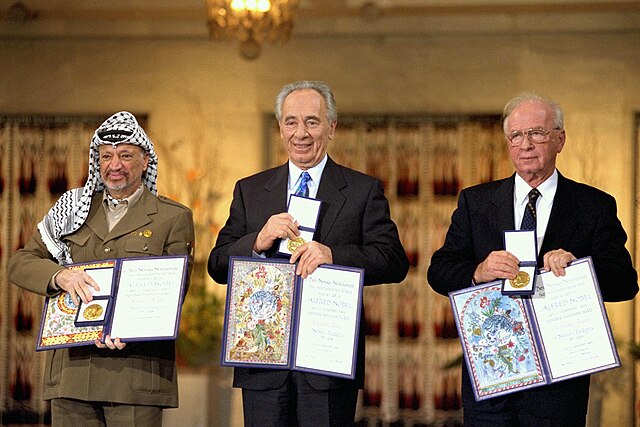
Globalization has expanded the reach and influence of politics across borders. Decisions made in one country often affect others due to:
- Economic interdependence (e.g., oil prices, trade wars, supply chains)
- Transnational challenges (e.g., pandemics, terrorism, climate change)
- Shared institutions (e.g., United Nations, G7, WTO)
As a result, diplomacy, treaties, and global cooperation are central to modern political life. Even domestic policies like tax reforms or data privacy laws must consider international norms and market reactions.
Technology and Digital Politics
Technology has transformed how political systems function:
- Social media has become a tool for political campaigns, protests, and propaganda.
- AI and algorithms shape what news people see and how they vote.
- Cybersecurity is now a top priority as elections face hacking and disinformation threats.
Movements like the Arab Spring or #BlackLivesMatter show how digital tools can empower citizens but also how they can be misused to spread hate, manipulate opinions, or suppress dissent.
Rise of Identity Politics
Modern politics increasingly centers on identity: race, religion, gender, ethnicity, or sexual orientation. Movements advocating for civil rights, LGBTQ+ inclusion, Indigenous sovereignty, or women’s representation have reshaped political debates.
However, identity politics can also cause deep divisions, especially when exploited for populist or exclusionary agendas. Balancing inclusion with unity remains one of the greatest challenges in multicultural societies.
Challenges to Democracy
Democracy is under pressure worldwide. Some key challenges include:
- Authoritarianism: In countries like Russia, China, or Turkey, power is concentrated in the hands of a few.
- Backsliding: Democratically elected leaders erode institutions from within (e.g., Hungary, Venezuela).
- Disinformation: Fake news and conspiracy theories reduce trust in elections and institutions.
- Polarization: Citizens become divided into ideological “echo chambers,” making compromise difficult.
Yet democracy also remains resilient, with examples of civic activism, judicial independence, and free media defending democratic norms.
The Role of Youth in Modern Politics
Young people today are more politically active and aware than ever. From climate marches to digital activism, they’re leading movements for justice, reform, and innovation.
Youth engagement has grown in areas such as:
- Climate action (e.g., Fridays for Future)
- Gun control (e.g., March for Our Lives)
- Democracy and human rights (e.g., protests in Hong Kong)
Social media gives youth a voice but real political change still depends on organizing, policy advocacy, and voting.
Politics and Climate Change
No issue illustrates modern politics better than the fight against climate change. Governments, businesses, and civil society all play roles in:
- Setting carbon targets (e.g., net-zero by 2050)
- Negotiating global treaties (e.g., Paris Agreement)
- Shaping energy policies, green jobs, and sustainable development
Politics determines whether science translates into action, and whether the world can avoid the worst effects of rising temperatures.
Migration and Borders
Modern politics must also address human mobility:
- Refugee crises from Syria, Afghanistan, and Venezuela have strained resources and provoked political tensions.
- Climate refugees are on the rise as extreme weather displaces communities.
- Political responses range from welcoming asylum seekers to building walls and tightening immigration laws.
Migration is both a humanitarian issue and a test of political values like solidarity, sovereignty, and human rights.
International Alliances and Rivalries
Today’s world is shaped by both cooperation and conflict:
- Alliances like NATO, ASEAN, and the European Union work to promote peace and collective action.
- Rivalries between the U.S. and China, or India and Pakistan raise concerns about trade wars, military escalation, or ideological competition.
Modern politics is deeply affected by these power dynamics, as countries compete for influence while navigating shared global risks.
Economic Inequality and Political Power
A major theme in modern politics is growing inequality. Wealth and power are often concentrated in a few hands, leading to:
- Disillusionment with elites and political institutions
- Rise of populist movements (left-wing and right-wing)
- Debates over taxing the rich, regulating corporations, or providing universal basic income
As billionaires shape policy and working-class families struggle, politics becomes the arena where these tensions play out.
Political Leadership in the 21st Century
Modern political leaders must juggle complex demands:
- Domestic needs (jobs, education, health care)
- Global challenges (climate, pandemics, war)
- Public opinion shaped by instant media feedback
The best leaders today balance vision with empathy, cooperation with strength, and tradition with innovation. But trust in leadership varies, and charisma alone is no longer enough.
Conclusion: The Power and Responsibility of Politics Today
Politics in the modern world is more interconnected, urgent, and unpredictable than ever. It affects how we live, what we believe, and where our societies are headed. From global summits to online debates, every voice can matter. But political literacy, understanding how power works, who holds it, and how to use it wisely, is more essential than ever.
In a time of climate danger, technological revolution, and social unrest, politics remains our most powerful tool for shaping the future. The more we understand it, the better we can protect democracy, solve crises, and create a world that reflects our highest values.
References
https://www.wilsoncenter.org/article/politics-digital-age
https://freedomhouse.org/report/freedom-world
https://www.un.org/en/climatechange
https://www.cfr.org/global-conflict-tracker
https://www.idea.int/publications/catalogue/global-state-democracy-report
https://www.pewresearch.org/politics/
https://www.brookings.edu/research/modern-authoritarianism/