

Explore the world’s top universities—what they offer, how to apply, and who they’re right for.
Top universities and application guides for students
This page is your all-in-one guide to elite global universities—from the Ivy League and Oxbridge to NUS and ETH Zurich. We break down academic strengths, campus life, and application systems like the Common App and UCAS in a way that’s easy to understand and exciting to explore. Whether you’re aiming for research excellence, global exposure, or specialized programs, discover where you truly belong. Learning about top universities and application guides for students before you apply gives you a mile ahead of others too!
Check out this annual University Ranking at https://www.topuniversities.com/world-university-rankings?page=NaN&sort_by=rank&order_by=asc
Ivy League Universities
The Ivy League is a group of eight prestigious private universities in the northeastern United States: Harvard, Yale, Princeton, Columbia, Brown, Dartmouth, Cornell, and the University of Pennsylvania. Known for academic excellence, selective admissions, and historic campuses, these institutions are leaders in research, education, and professional networking. Ivy League schools also have strong athletic traditions, though today they are more renowned for their intellectual and global influence.

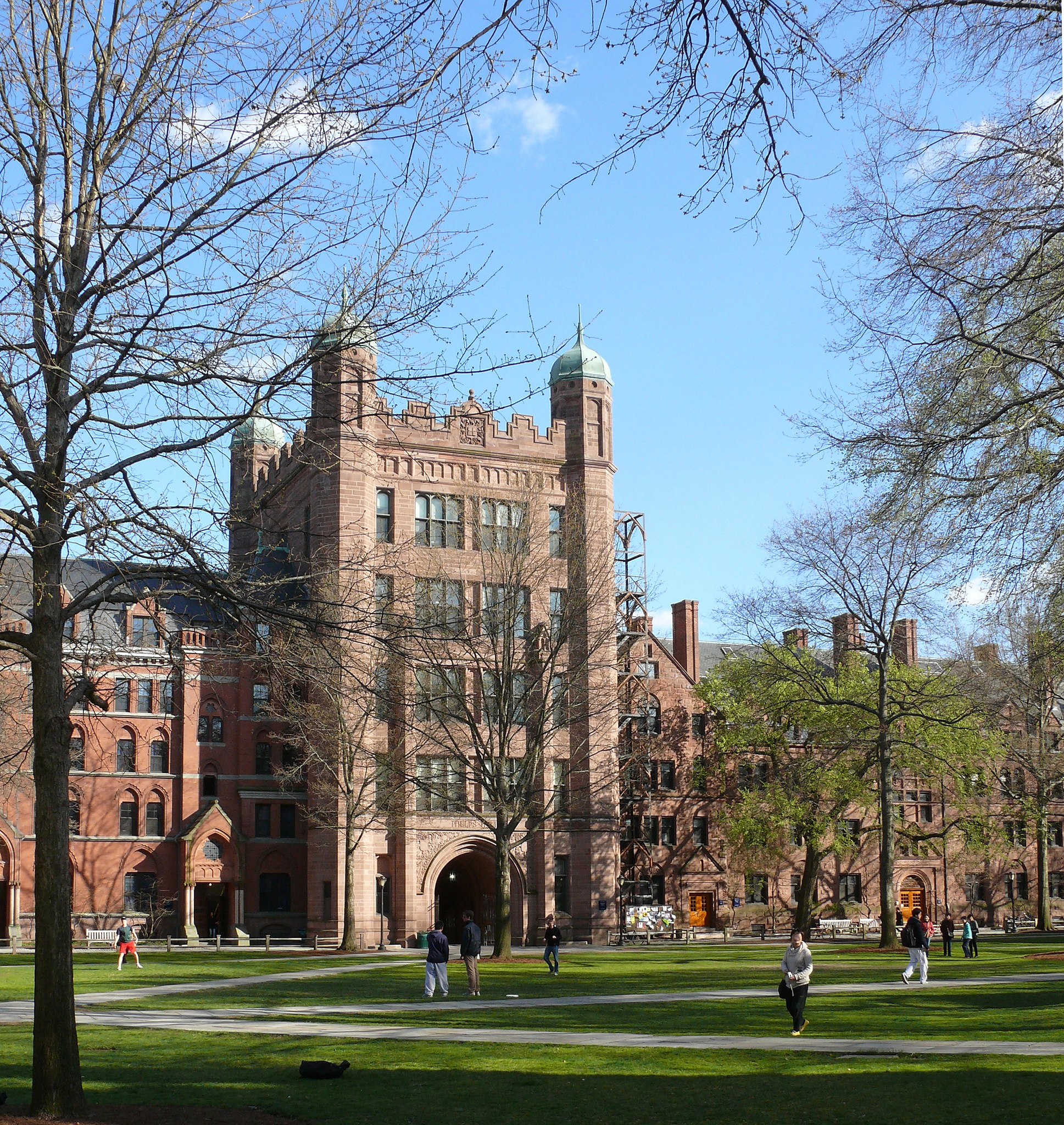
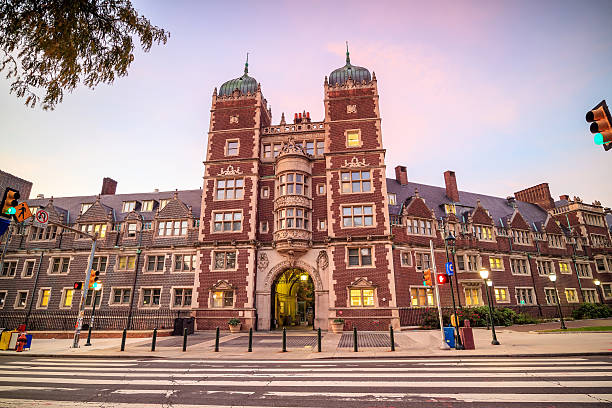
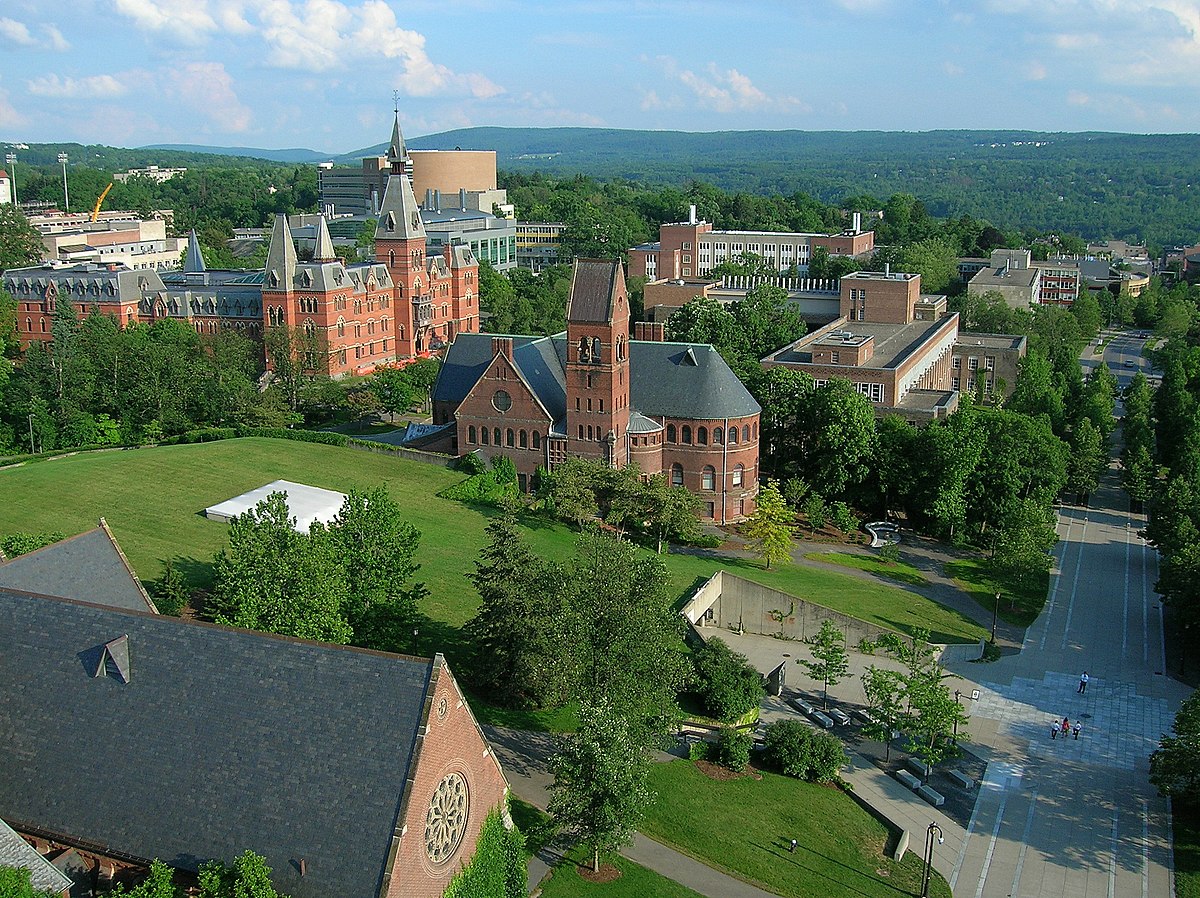
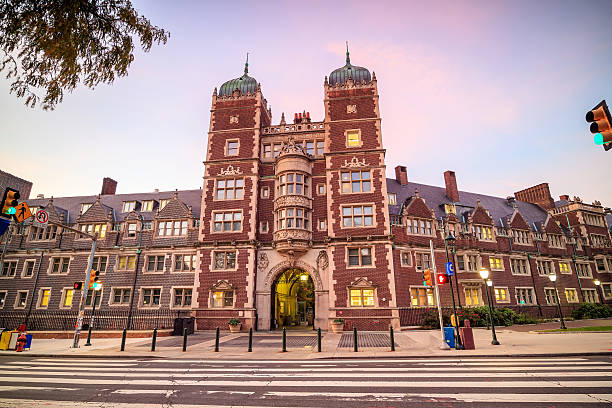
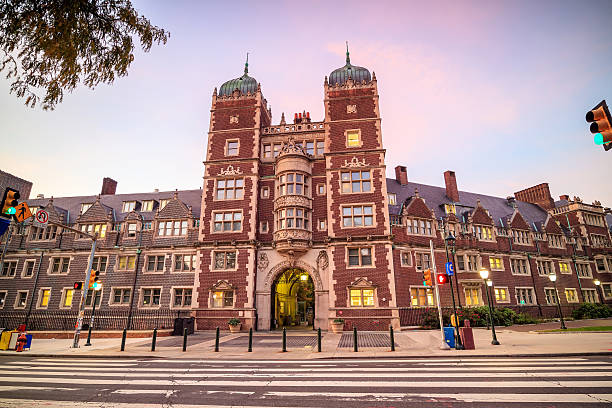
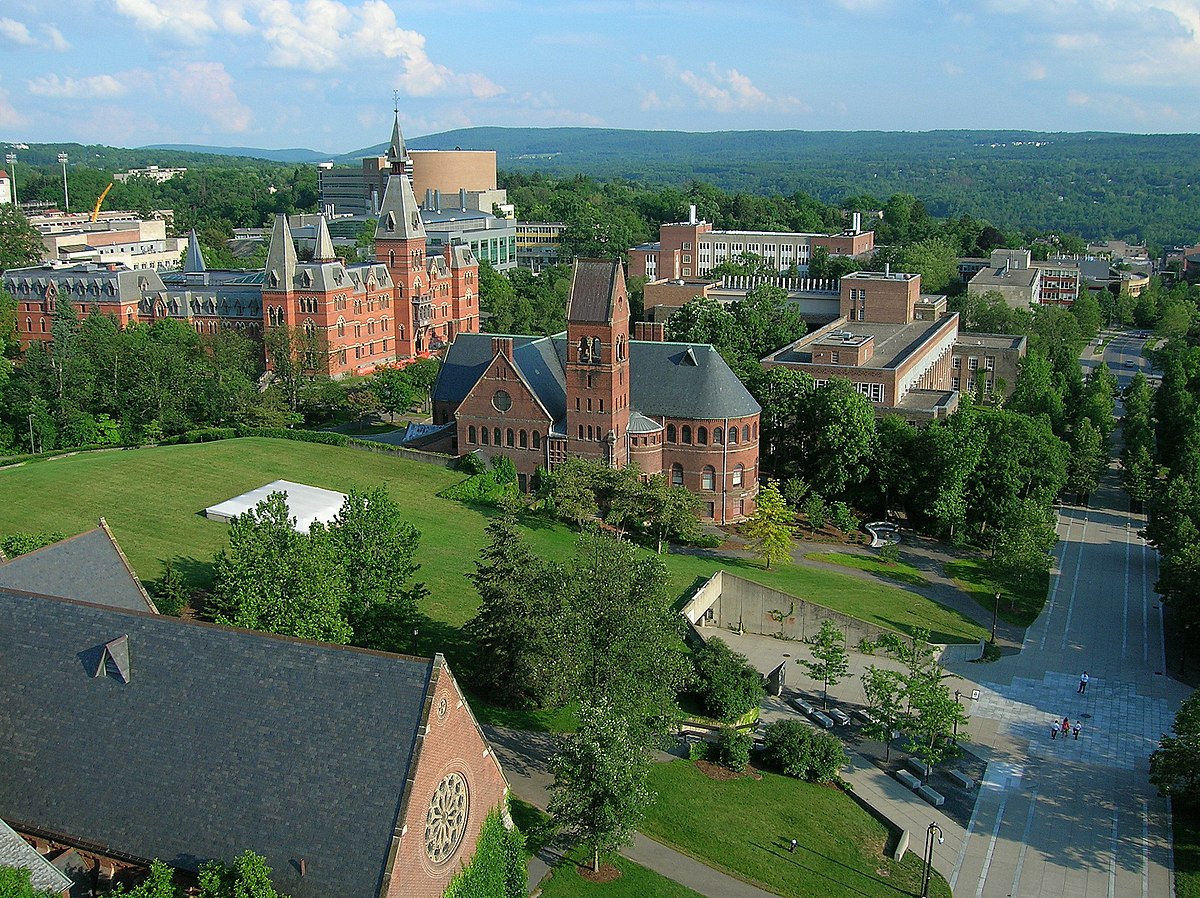
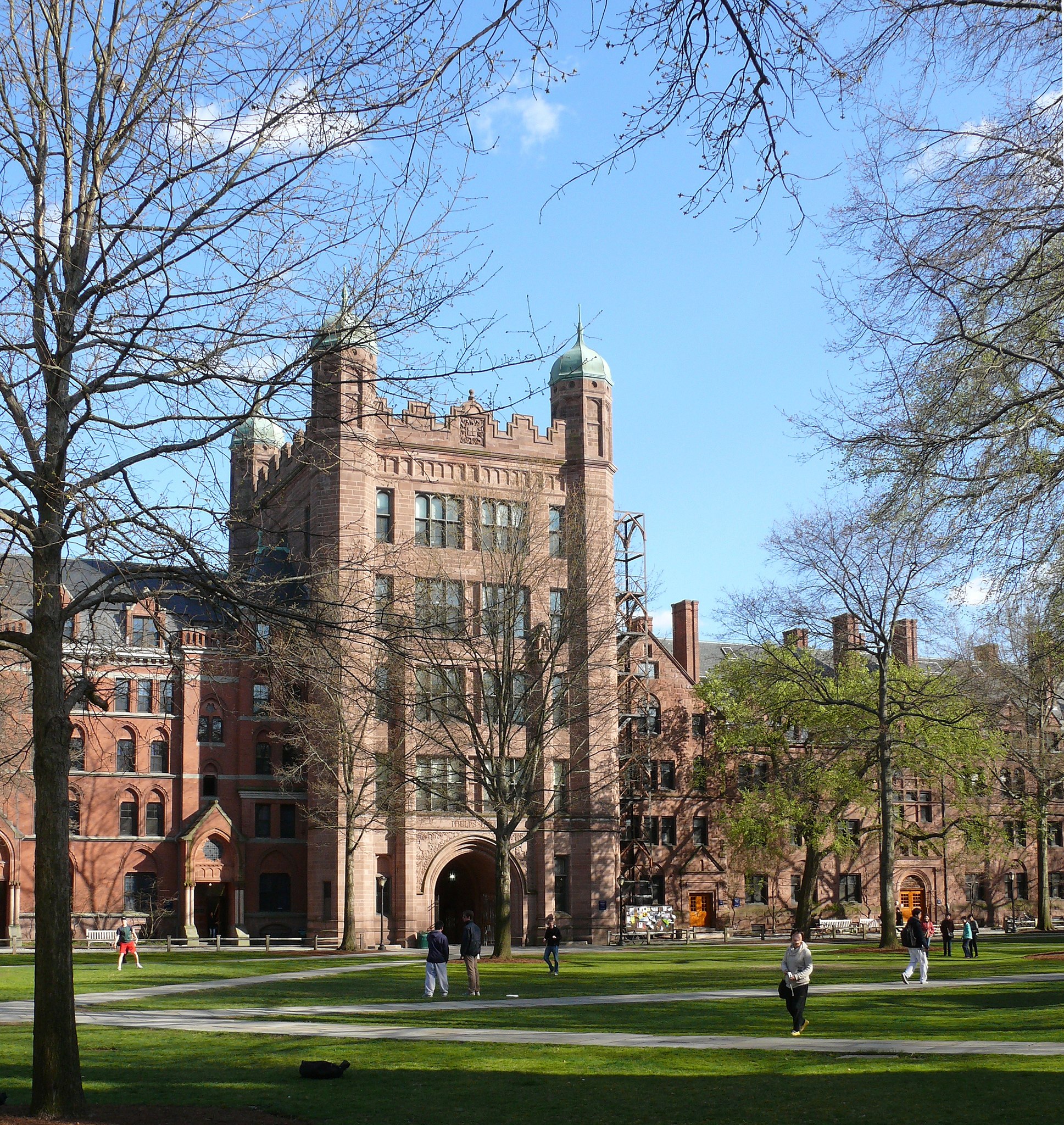
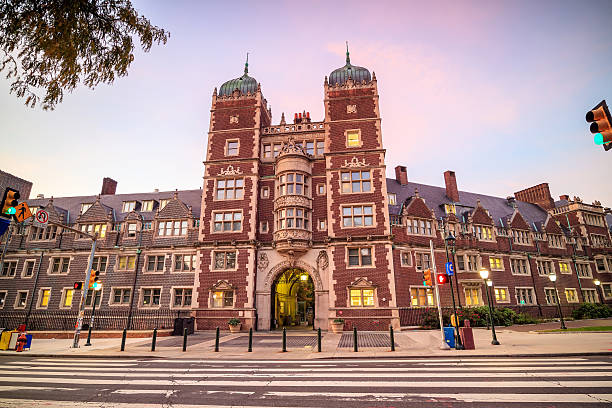
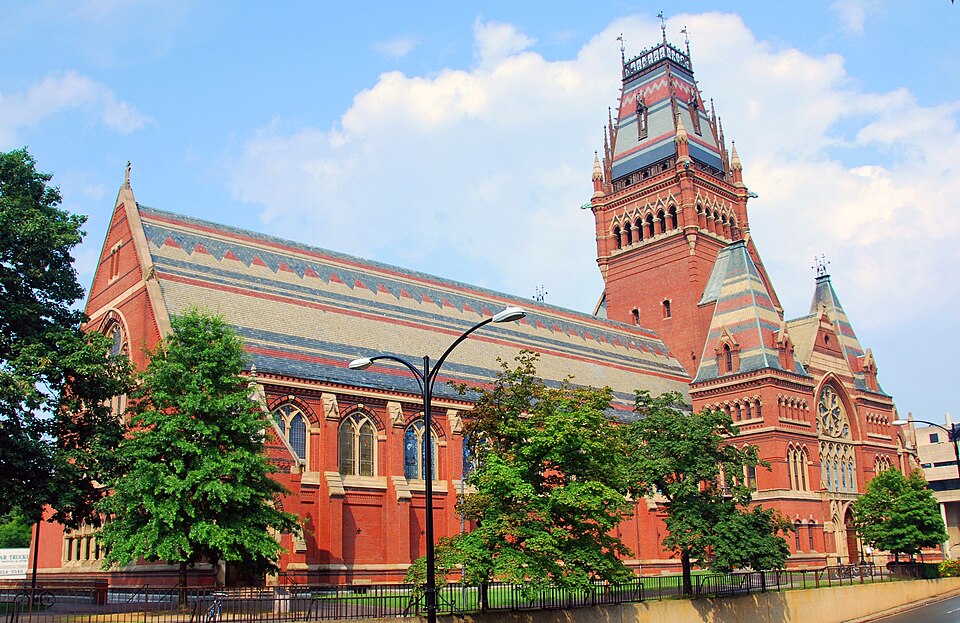
Harvard University (Cambridge, MA)
- Academia: Consistently ranks #1–#3 globally. Known for its unmatched research output, flexible liberal arts system, and prestigious graduate schools (law, medicine, business).
- Campus Life: Historical red-brick buildings, active student clubs, political debates at the Kennedy School, and proximity to MIT energize student life.
- Admissions: ~3.4% acceptance rate. Requires Common App, strong essays, top grades, and often exceptional community impact or intellectual curiosity.
- Best For: Future world leaders, researchers, and entrepreneurs looking for unparalleled prestige, academic diversity, and networking.
🐂 Yale University (New Haven, CT)
- Academia: Famous for law, humanities, drama, and political science. Residential college system fosters close-knit academic communities.
- Campus Life: Gothic architecture, acapella groups, secret societies (like Skull and Bones), and an emphasis on arts and literature.
- Admissions: ~4.4% acceptance rate. Requires Common App, writing supplement, and emphasis on intellectual exploration.
- Best For: Students who are artsy, thoughtful, civically engaged, or interested in law and humanities.
Princeton University (Princeton, NJ)
- Academia: Focuses on undergraduate teaching. Ranked #1 in the U.S. (U.S. News). Strong in math, physics, economics, and public policy.
- Campus Life: Quiet, traditional, and academically intense. Eating clubs replace fraternities; lots of faculty mentorship and research support.
- Admissions: ~4% acceptance rate. Application includes graded written work and high academic standards.
- Best For: Students seeking close faculty interaction, pure academic study, and a serene scholarly environment.
Columbia University (New York, NY)
- Academia: Urban Ivy with strength in journalism, engineering, and economics. Core Curriculum offers a shared academic foundation.
- Campus Life: Heart of NYC—internships, museums, Wall Street, and activism. High-pressure but full of opportunities.
- Admissions: ~3.75% acceptance rate. Values initiative and global perspective. Requires rigorous academics and creative insight.
- Best For: Driven, independent students who want fast-paced life, culture, and strong career ties.
University of Pennsylvania (UPenn) (Philadelphia, PA)
- Academia: Business-focused Ivy with top programs in Wharton (business), nursing, and interdisciplinary studies. Promotes “One University” access.
- Campus Life: Urban but unified campus. Greek life, clubs, and sports are popular. A collaborative vibe.
- Admissions: ~5.8% acceptance rate. Demonstrated interest matters. Strong focus on pre-professional and entrepreneurial students.
- Best For: Business minds, healthcare hopefuls, or students wanting to blend disciplines like bioethics, law, and tech.
Brown University (Providence, RI)
- Academia: Known for its Open Curriculum—no core requirements. Emphasizes intellectual freedom and exploration.
- Campus Life: Liberal, quirky, artsy. Active student movements, sustainability efforts, and expressive clubs.
- Admissions: ~5.1% acceptance rate. Essays matter deeply; creativity, individuality, and passion are key.
- Best For: Curious, self-driven learners who want to build their own path and avoid rigid requirements.
Dartmouth College (Hanover, NH)
- Academia: Best for undergrad teaching in liberal arts, economics, and sciences. Small class sizes, and a flexible quarter system called the “D-Plan.”
- Campus Life: Rural, tight-knit, outdoor-focused (skiing, hiking). Strong Greek life and school spirit.
- Admissions: ~6% acceptance rate. Values community engagement, creativity, and fit with its unique academic calendar.
- Best For: Outdoorsy students, tight academic communities, and those who want balance between tradition and flexibility.
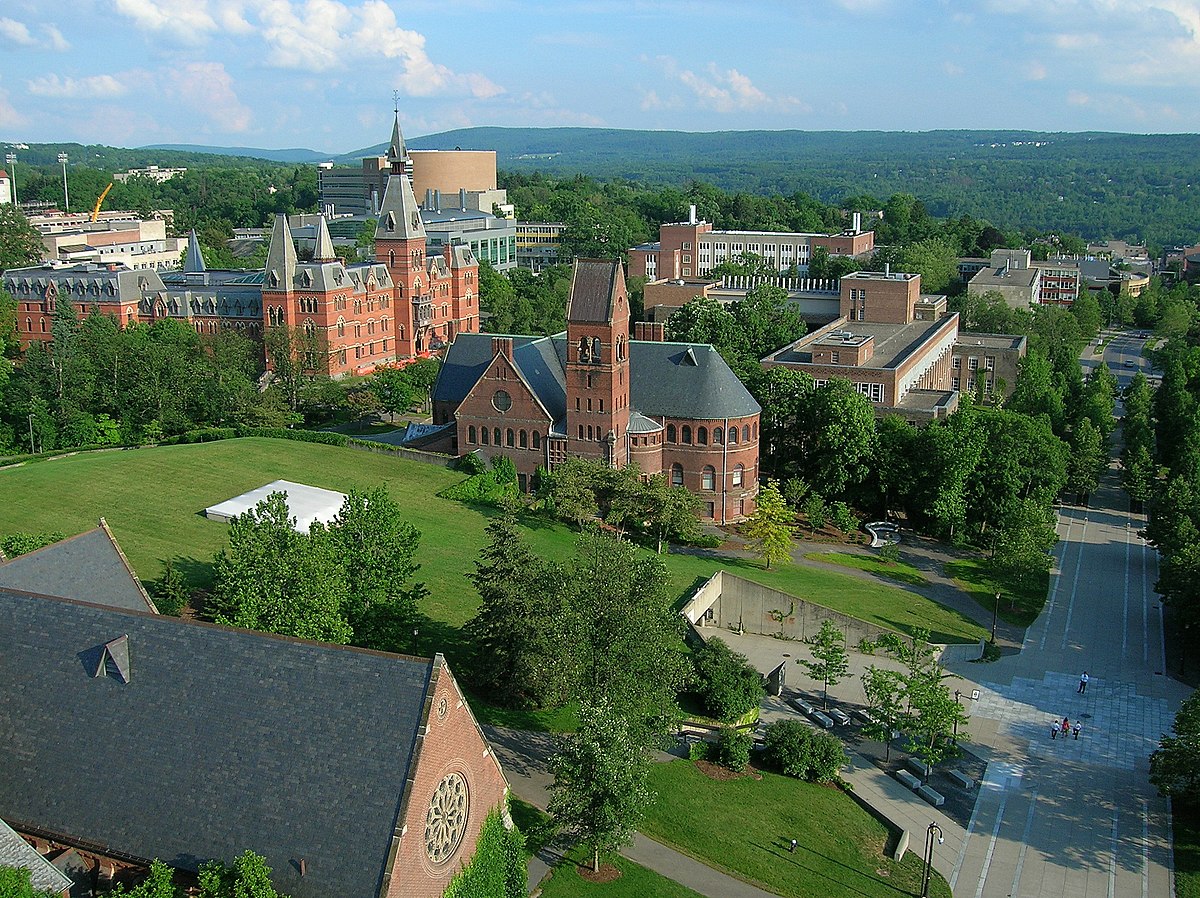
Cornell University (Ithaca, NY)
- Academia: Largest Ivy by enrollment. Strengths across fields—engineering, hotel management, architecture, agriculture, and ILR (labor relations). Offers public and private colleges under one university.
- Campus Life: Huge campus with gorges and waterfalls. Diverse student population with active clubs and vibrant multicultural life.
- Admissions: ~7.5% acceptance rate across all schools. Different colleges have unique essays and expectations.
Best For: Students seeking academic breadth, real-world skills, and a balance between elite rigor and practical application.
United Kingdom
UK universities are renowned for their academic excellence, historic institutions, and global reputation, with world-leading schools like Oxford, Cambridge, University College London, and the London School of Economics. They offer diverse programs, strong research output, and an emphasis on independent learning and critical thinking. International students are drawn to the UK for its multicultural environment, shorter degree durations, and globally recognized qualifications.
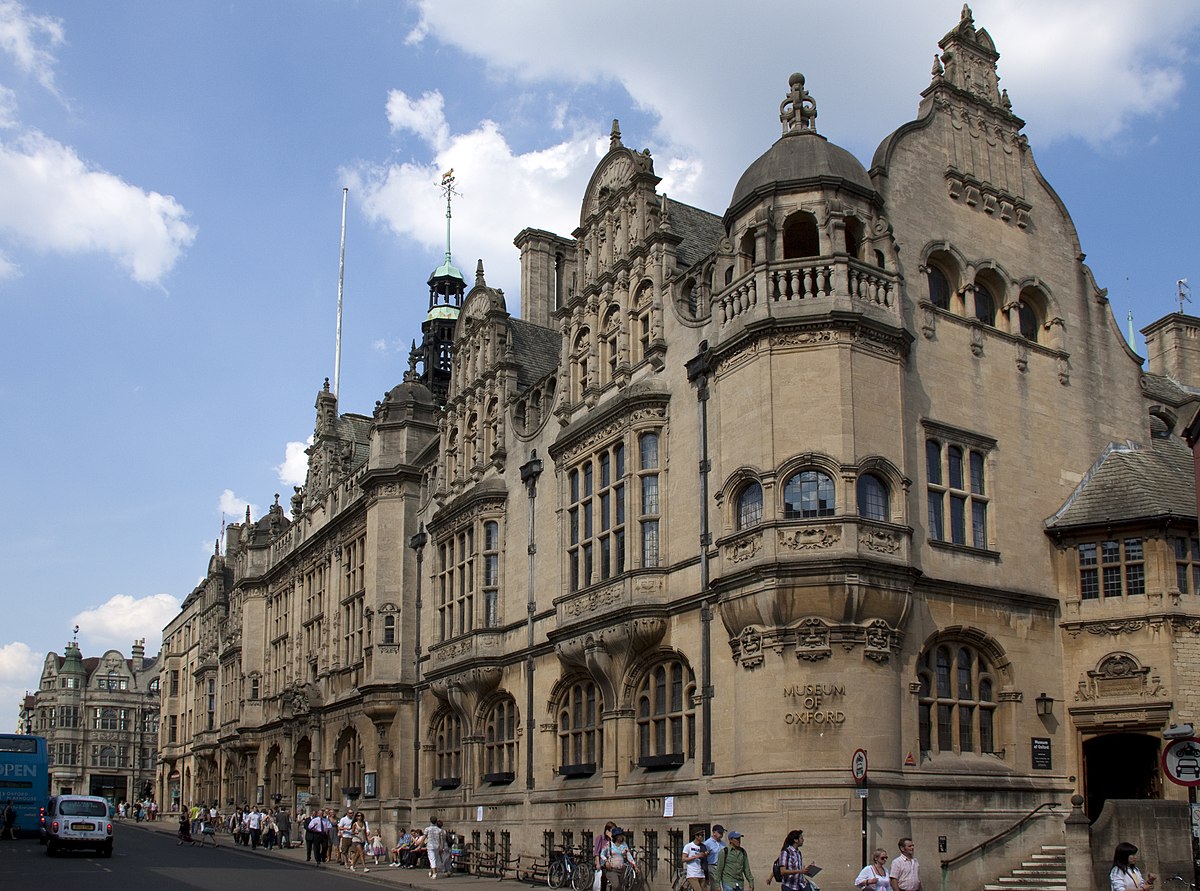
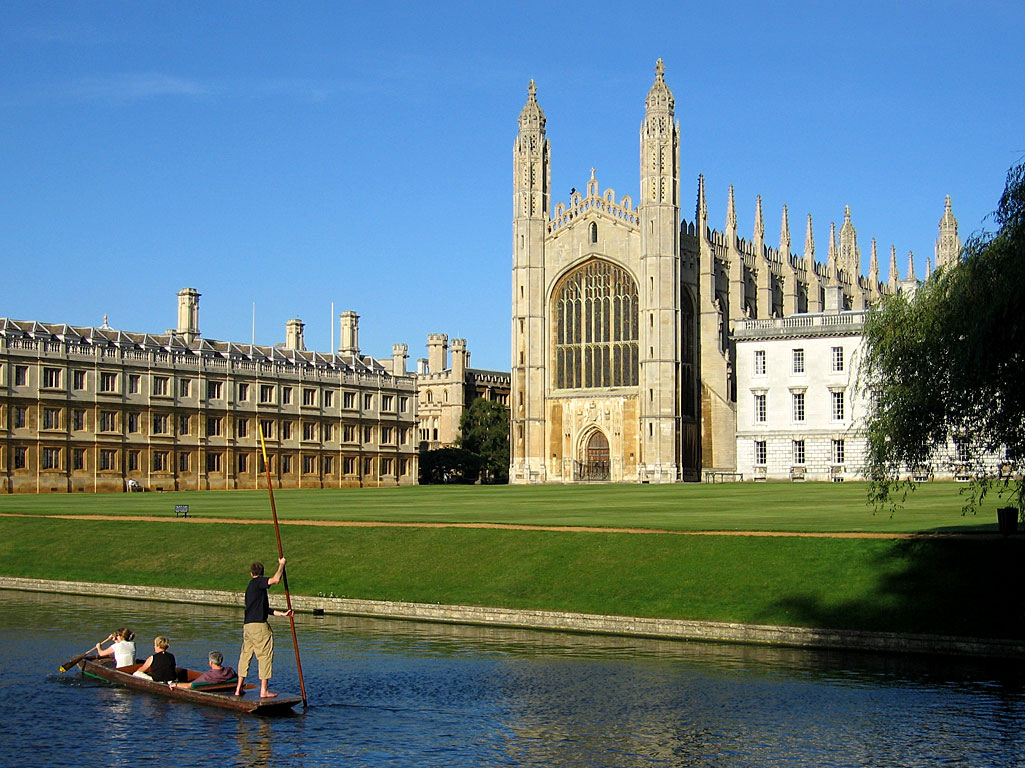
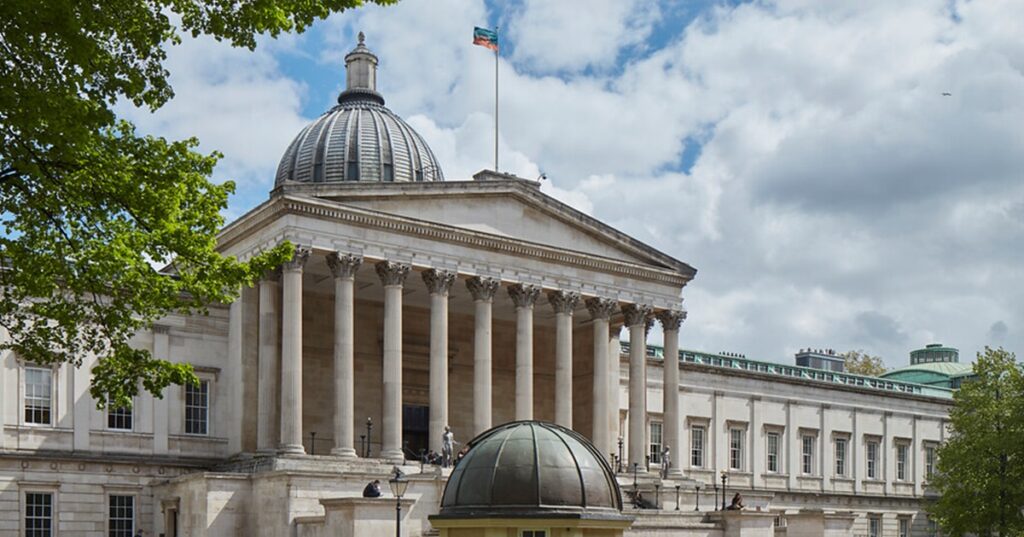
🏛️ Oxbridge (UK)
Universities: University of Oxford and University of Cambridge
- Academia: These are some of the oldest and most respected universities on Earth. The tutorial/supervision system means you meet weekly in 1:1 or 2:1 discussions with leading scholars. Emphasis is on reading, essay-writing, and deep debate—ideal for the intellectually curious.
- College Life: Each student belongs to a college (like Hogwarts Houses), which is both residential and academic. You’ll wear gowns to formal dinners and join centuries-old societies like the Cambridge Union or Oxford Boat Club.
- Application Requirements: A-levels/IB scores, entrance exams (like BMAT, LNAT, or TSA), and tough academic interviews. Academic strength is the #1 priority.
- Best Suited For: Independent learners who can handle intense reading lists, time pressure, and traditional academic culture.
🇬🇧 University College London (UCL)
- Academia: UCL is a multidisciplinary powerhouse. Founded as the first secular university in England, it ranks top-10 worldwide in architecture, education, and psychology. Its location allows collaboration with London’s museums, think tanks, and tech firms.
- College Life: Urban and fast-paced. You’ll study in Bloomsbury, next to the British Museum. There’s a strong culture of activism, diversity, and social entrepreneurship.
- Application Requirements: A-levels (AAA–AAB), IB (36–39), personal statement, and possibly a portfolio or interview. Flexibility for international students.
Best Suited For: Students wanting academic prestige with access to all of London’s culture, industry, and global internship opportunities.
🧠 ETH Zurich (Switzerland)

- Academia: The “MIT of Europe,” ETH ranks in the world’s top 10 for engineering, physics, computer science, and architecture. It’s the alma mater of Einstein. The teaching is rigorous, often in German, and mathematically intense.
- College Life: Fewer undergrads, but incredible research opportunities and innovation. Students join start-ups, join robotics clubs, and ski on weekends. Zurich is one of the safest, cleanest cities in the world.
- Application Requirements: Swiss Matura or equivalent; non-EU students need excellent grades and must often pass an entrance exam. Some bachelor’s courses require German proficiency; master’s are mostly in English.
- Best Suited For: Tech-savvy students who love logic, research, and engineering—and want affordable tuition in Europe.
🇨🇳 Peking University (China)

- Academia: China’s top university, PKU ranks in the world top 20. It leads in economics, law, philosophy, and natural sciences, with robust partnerships with Harvard, Oxford, and Stanford. The campus is often called “Yan Yuan”—a blend of ancient palaces and modern facilities.
- College Life: A hybrid of intense academic pressure and strong patriotism. Traditional arts, poetry slams, and AI competitions coexist. You’ll hear the sounds of Guzheng (Chinese harp) and coding keyboards in the same dorm.
- Application Requirements: For domestic students, Gaokao scores are key. For international students, strong high school grades, HSK for Chinese proficiency, and personal essays are required.
- Best Suited For: Hard-working, ambitious students who want to be part of Asia’s rising academic and economic power.
🇸🇬 National University of Singapore (NUS)

- Academia: Ranked #8 globally (QS 2026), NUS offers top programs in engineering, medicine, law, and computing. It combines Western-style flexibility with Asian rigor. Students can do double majors or joint degrees with Yale or Duke.
- College Life: Diverse and vibrant. Singapore’s strict laws mean it’s safe, clean, and efficient. Campus life blends tradition with modernity—think dragon boat races and tech hackathons in one week.
- Application Requirements: Excellent grades (IB 38+, ATAR 98+), strong personal statement, and sometimes interviews. Admission is competitive but not impossible with well-rounded achievements.
- Best Suited For: Students from Asia or beyond who want a top-tier, English-speaking education in a global business hub.
📝 Costs & Pricing Table
| University | Tuition + Fees (Local/Intl) | Living Costs (year) | Scholarships Available | Acceptance Rate |
| Harvard | ~$59k + fees ≈ $90k total | Included ≈ $22k | Need‑based, 86% eligible free tuition | ~3.5% |
| Yale–Cornell (Ivy) | ~$60k + + housing/stipends | ~$20k | Need‑based aid, full support | 4–7.5% |
| ETH Zurich | €400–3,700 | ~€22k | Excellence scholarships (Masters) | 27% |
| Peking U. | RMB 26–30k | Very low | Gov’t & PKU scholarships all cost | Intl ~4.5% |
| NUS | SGD 25k (~€17k) | SGD 11.4k (~€7.8k) | MOE grant, merit/bursaries | 15–25% |
| UCL | £9.5k UK, £20–30k intl | ~£15k | Merit/need‑based, full awards available | 36–38% |
| Oxford/Cambridge | £9.25k UK, £25–40k intl | £11k–24k | Bursaries, Gates Cambridge | ~17–19% |
Different University Application Systems
Common App is mainly used for applying to U.S. universities, while UCAS is the centralized system for applying to UK universities. The Common App allows applications to multiple U.S. schools with personalized essays for each, while UCAS limits students to five choices and uses a single personal statement focused on the chosen subject. UCAS emphasizes academic interest and course suitability, whereas the Common App highlights extracurriculars, personality, and holistic traits.
📘 How the Common Application Works (USA – Ivies & others)
Used by: 1,000+ U.S. universities, including all Ivy League schools.
🔹 What It Is
The Common App is a centralized online platform where you fill out your basic info, essays, and activities once, and submit it to multiple U.S. colleges.
🔹 Main Components
- General Info: Personal, family, education, and extracurriculars (up to 10).
- Personal Essay: 650 words, 1 prompt chosen from 7 options (identity, challenge, idea, etc.).
- Supplemental Essays: Each Ivy requires its own extra questions (e.g., “Why Princeton?” or “How do you engage with diversity?”).
- Teacher Recs: 1–2 teachers + school counselor
- Standardized Tests: SAT/ACT optional but recommended for international students
🔹 Deadlines
- Early Action/Decision: November 1
- Regular Decision: January 1–5
🔹 Best For
Students applying to multiple U.S. universities, especially if aiming for selective schools that require rich storytelling and profile development.
📘 How the UCAS Application Works (UK – Oxbridge, UCL, etc.)
Used by: All UK universities including Oxford, Cambridge, UCL, Imperial, etc.
🔹 What It Is
The Universities and Colleges Admissions Service (UCAS) is the centralized system for all UK university applications. You apply to a maximum of 5 courses.
🔹 Main Components
- Course Selection: Choose 5 specific programs (e.g., Law at UCL, PPE at Oxford)
- Personal Statement: 4,000 characters (~600 words) focused purely on academic interest in the subject
- Predicted Grades: From A-Levels, IB, APs, etc.
- Academic Reference: From one school counselor or teacher
- Entrance Exams/Interviews: Required for Oxford/Cambridge and some subjects (BMAT, LNAT, MAT, etc.)
🔹 Deadlines
- Oxbridge / Medicine / Dentistry / Vet: October 15
- Other Universities: January 31
- No “Early Action”, but offers come on a rolling basis
🔹 Best For
Students who know exactly what subject they want to study, can present strong academic focus, and prefer a more structured path.
🧭 Key Differences
| Feature | Common App (USA) | UCAS (UK) |
| Number of Schools | ~20+ possible (unlimited technically) | Max 5 |
| Essay Focus | Personal story + passion | Academic motivation + subject focus |
| Custom Supplements | Yes, per university | No – One statement sent to all |
| Flexibility | More interdisciplinary options | Fixed subject (e.g., English, Economics) |
| Interviews | Rare (except elite scholarships) | Common at Oxbridge |
| Decision Time | March–April | January–May (rolling offers) |