
Step into the future with the skills that define success in today’s world.
Our 21st Century Skills Toolkit empowers you to think critically, solve problems creatively, collaborate across cultures, and lead with confidence on any stage
In today’s fast-moving world, success is no longer defined by memorizing facts but by mastering the skills that shape innovators, leaders, and problem-solvers. Our 21st Century Skills Toolkit equips students with essential abilities from critical thinking and collaboration to creativity and digital fluency that prepare them for both local challenges and global opportunities. Designed for the next generation of change-makers, this toolkit empowers learners to adapt, communicate, and lead with confidence in an interconnected world.
The 21st Century Toolkit
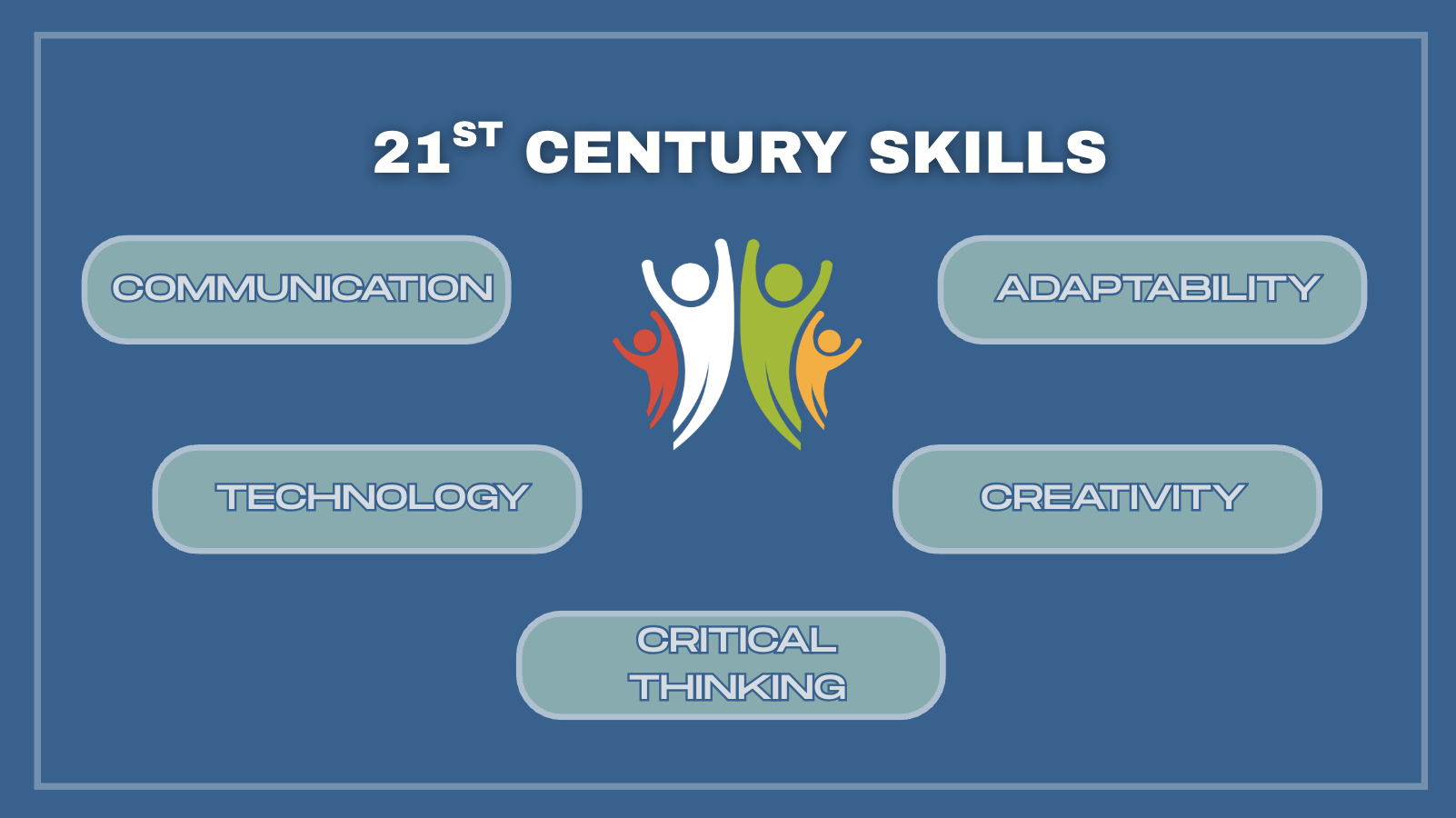
The world is changing fast. To succeed, students and workers need more than academic knowledge. They need a set of skills that help them adapt, think, and connect with others. UNESCO and Harvard call these the “21st century skills.”
What UNESCO Says
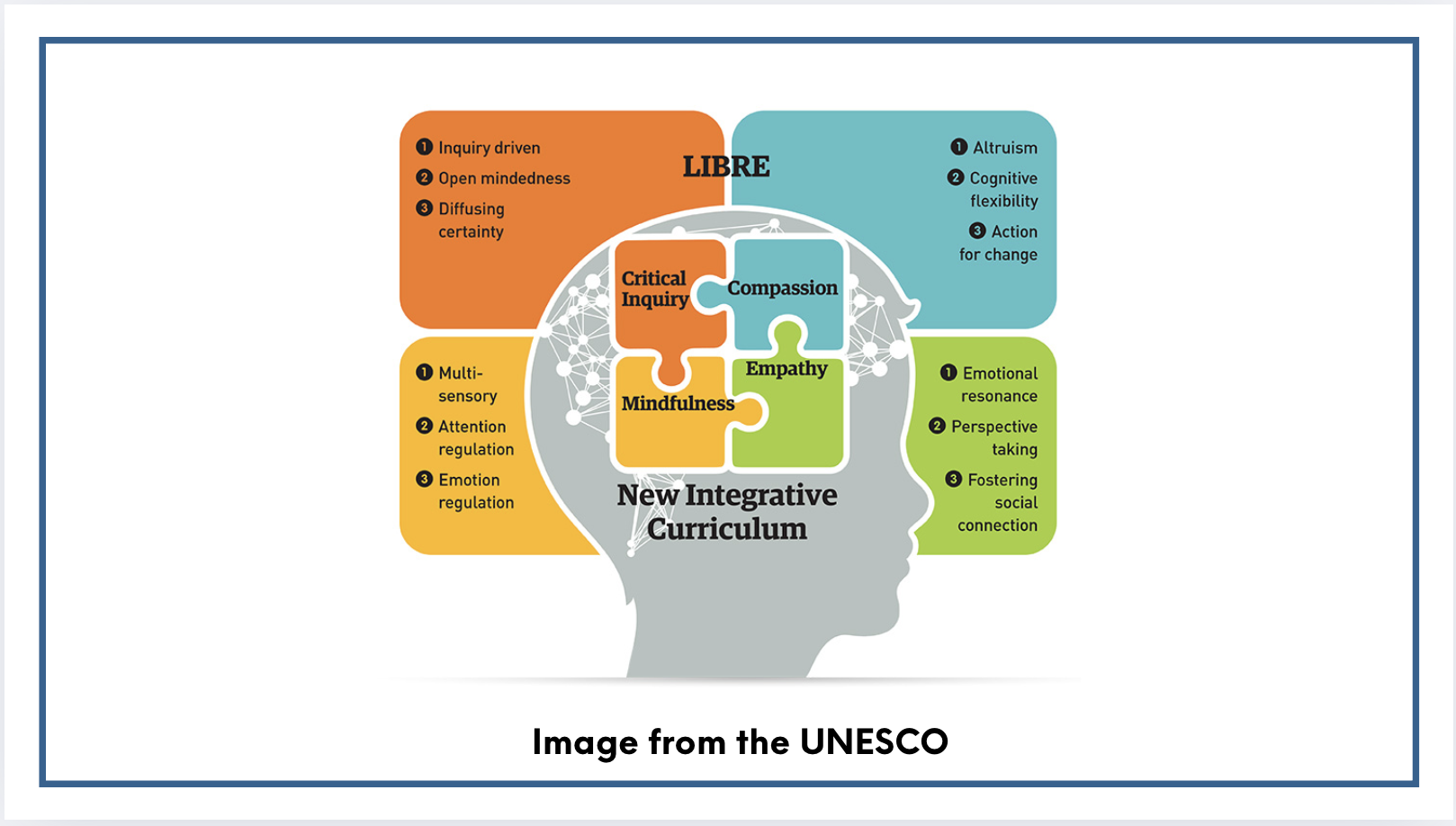
UNESCO defines these skills as the mix of knowledge, behaviors, and values that help people adapt to modern life.
Key focus areas:
- Communication and teamwork
- Digital and media literacy
- Creativity and problem solving
- Leadership and social awareness
UNESCO also highlights the ability to use information responsibly. It’s not only about finding data but also about evaluating, sharing, and creating it in ethical ways.
https://unevoc.unesco.org/home/glossaire+tvetipedia/lang=fr/show=term/term=21st+century+skills
How Harvard Frames It
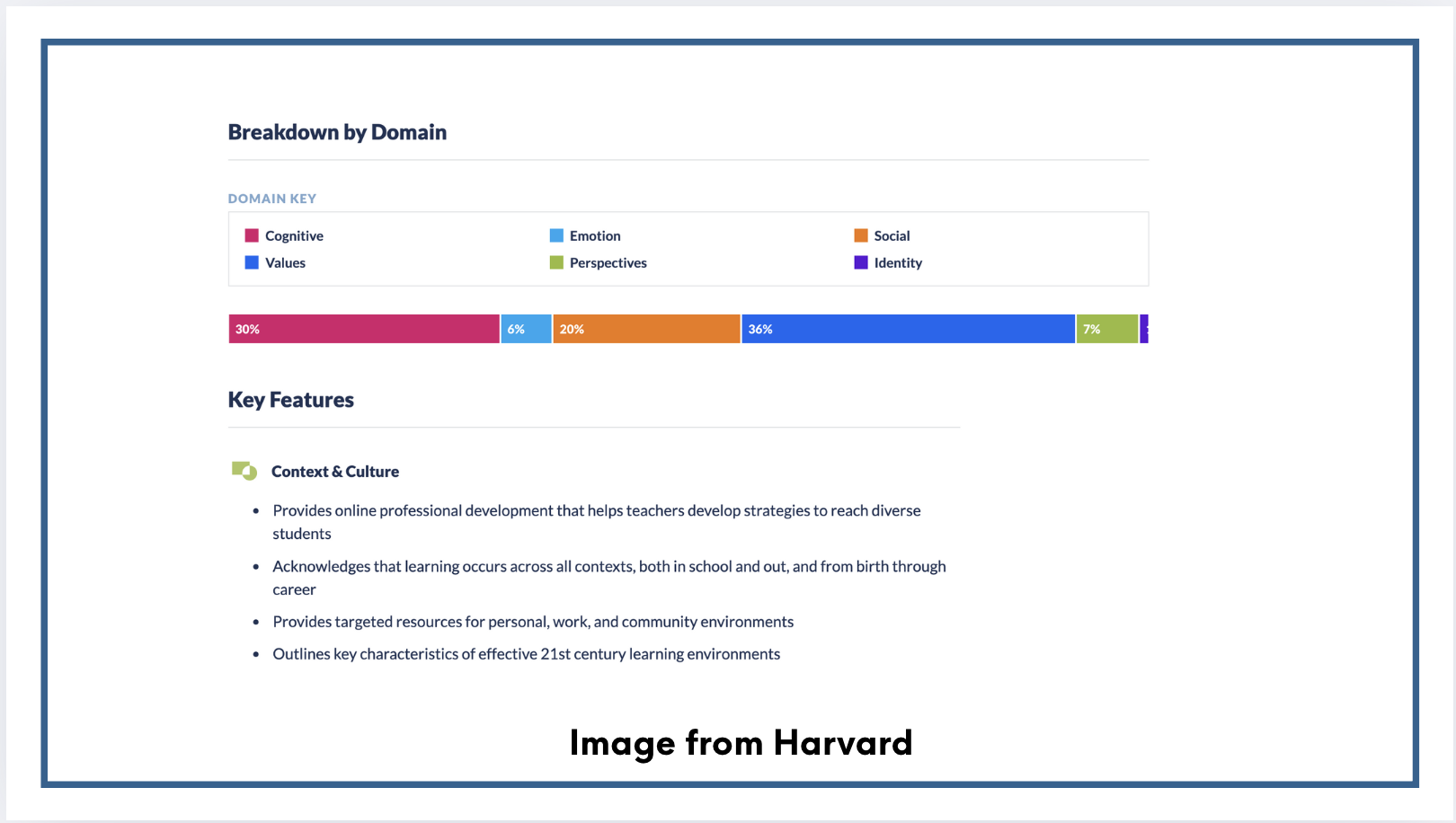
Harvard looks at how these skills can be part of daily learning.
They stress:
- Critical thinking in every subject
- Collaboration as part of classroom life
- Creativity as a habit, not an extra skill
Instead of teaching them separately, Harvard suggests weaving these skills into math, science, history, and literature.
http://exploresel.gse.harvard.edu/frameworks/3
Skills That Overlap
Across different models, some skills appear again and again:
- Creativity
- Problem solving
- Communication
- Collaboration
- Adaptability
These are useful for jobs, but they are just as important for tackling global challenges and building stronger communities.
Why It Matters
21st-century skills aren’t add-ons. In fact they’re the game-changers operating system for real life. They help us adapt to rapid change, separate truth from noise in an age of information overload, and work effectively across cultures. This toolkit is the foundation of how we learn, live, and lead.
Work across cultures: communication and collaboration to lead diverse teams with empathy.
Find truth: critical thinking + media literacy to judge sources and evidence.
Adapt and build: creativity, problem-solving, and digital fluency to navigate new tools and roles.
Explore More!
UNESCO-UNEVOC. 21st Century Skills (Glossary Entry). Retrieved from: https://unevoc.unesco.org/home/TVETipedia%2BGlossary/lang%3De/show%3Dterm/term%3D21st%2Bcentury%2Bskills
UNESCO. Information and Media Literacy. Retrieved from: https://en.wikipedia.org/wiki/Information_and_media_literacy
Harvard Graduate School of Education. Frameworks for Social and Emotional Learning (includes 21st century learning focus). Retrieved from: https://exploresel.gse.harvard.edu/frameworks/3/
Harvard Review of Latin America. Measuring 21st Century Skills. Retrieved from: https://revista.drclas.harvard.edu/measuring-21st-century-skills
Wikipedia. 21st Century Skills (Overview of global definitions and models). Retrieved from: https://en.wikipedia.org/wiki/21st_century_skills
WCC News. Career Skills in the 21st Century. Retrieved from: https://www.wccnet.edu/news/articles/2024-08-14-career-skills.php